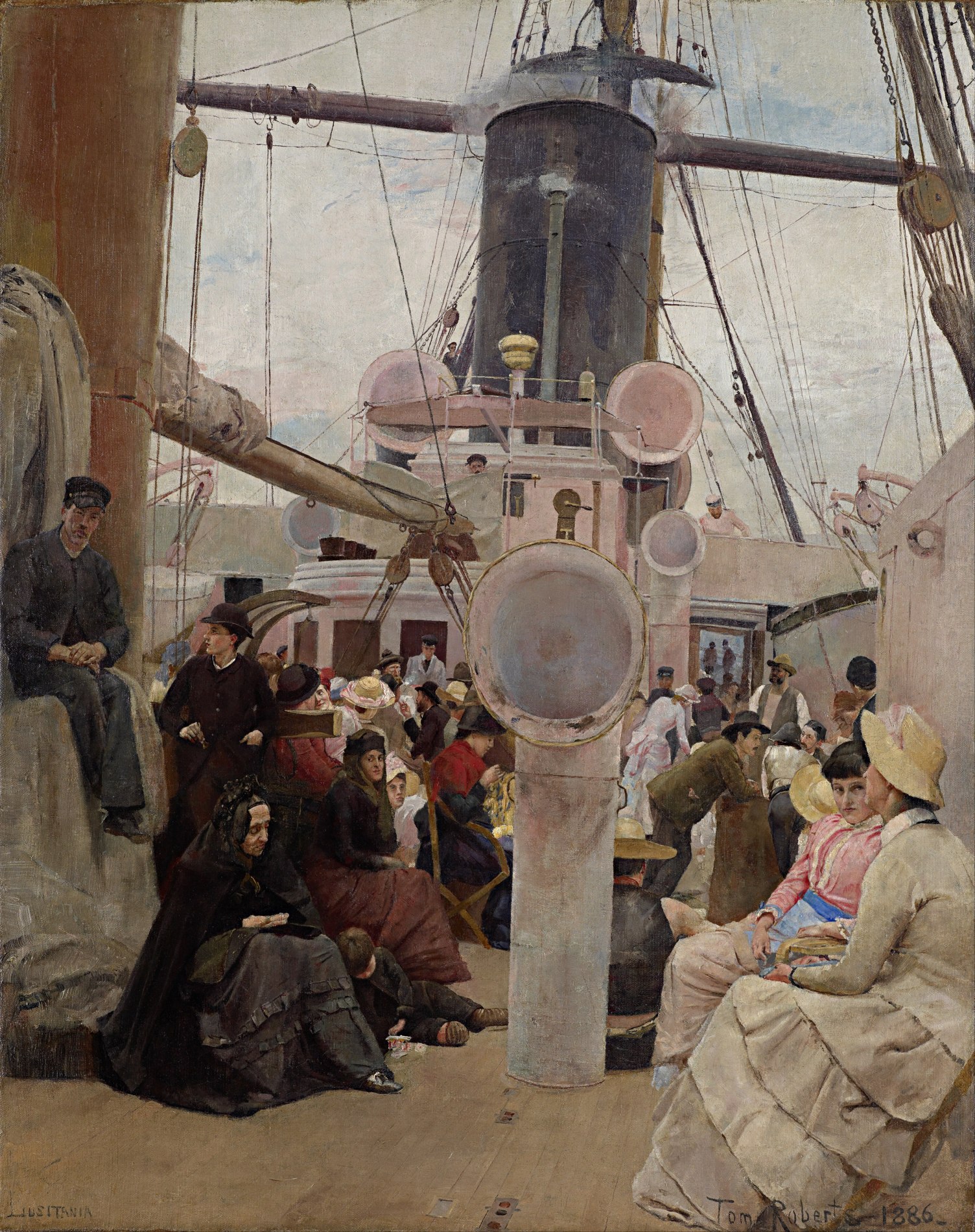
Tom Roberts, Coming South, 1886. Oil on canvas, 63.5 × 52.2 cm. National Gallery of Victoria, Melbourne. Gift of Colonel Aubrey H. L. Gibson in memory of John and Anne Gibson, settlers (1887), 1967. Public domain. Museum record.
Your project
You are a young French citizen planning a working holiday in Australia. You will prepare a realistic travel plan, organise your first week, apply for a job and discuss everyday life with new people.
Final task: take part in a job interview for a Melbourne café. Explain your experience, availability and visa status. Ask about hourly pay, weekend rates and shifts.
Theme
Working Holiday Visa in Australia and job hunting abroad.
Level
Bac pro / CFA · CEFR B1.
Key question
How can a young French citizen prepare for life and work in Australia?
Objectives
Understand practical information, compare costs, write an Australian resume and interact in a job interview.
Cultural anchor
Australian workplaces, café culture, everyday language, migration, regional work and beach safety.
Your five-cell learning grid
Understand
Read practical information and a job advert.
Listen
Identify key information at Sydney Airport.
Speak
Explain your plans and ask precise questions.
Write
Prepare a resume and a short application.
Act
Make responsible choices about work and travel.
Look at the opening painting
Describe the passengers, their belongings and the ship. What hopes or worries might they have? Compare their journey with a young traveller’s journey today. The painting is a historical starting point, not an image of present-day visa procedures.
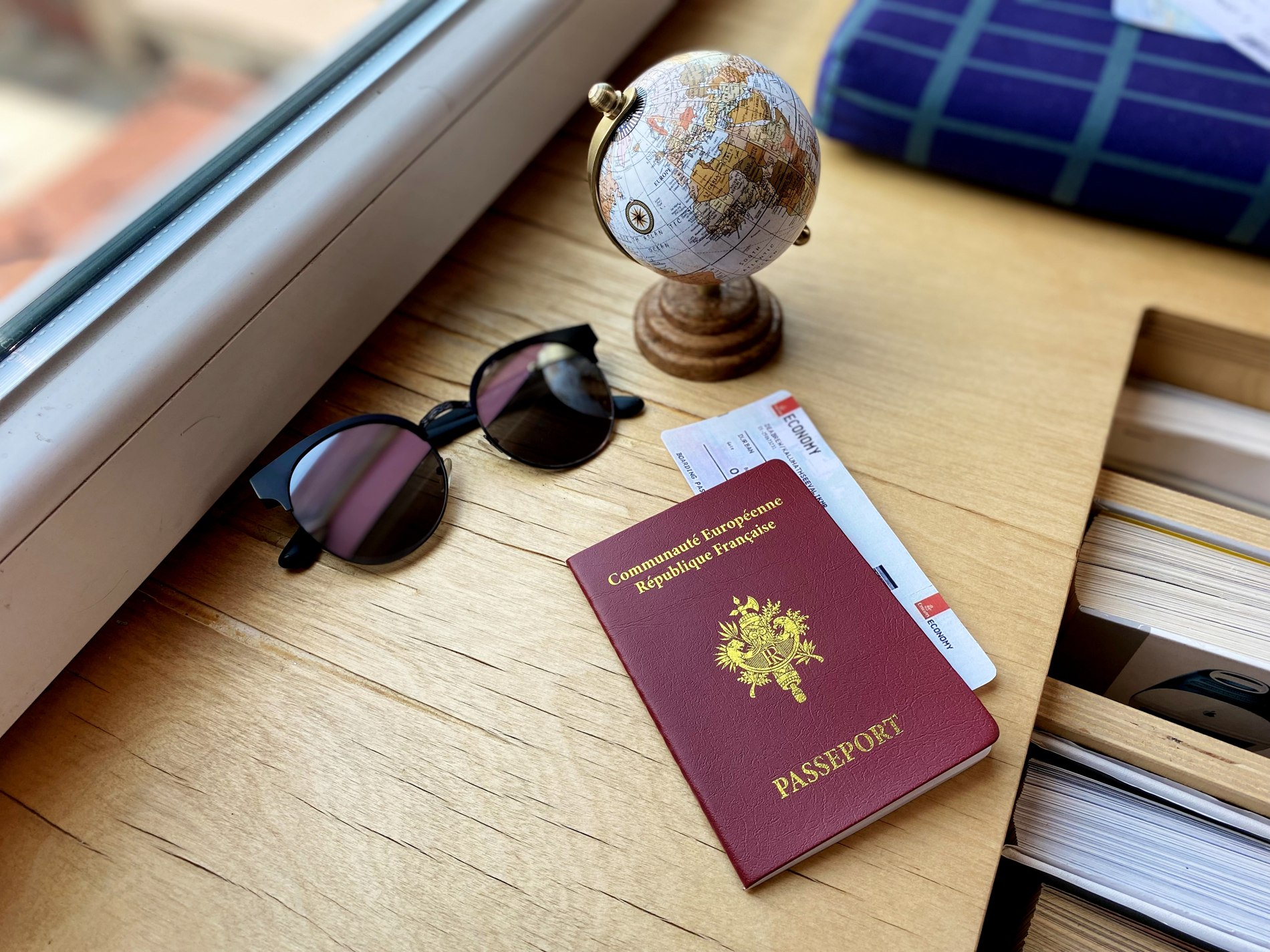
Check your passport details and expiry date. Use the same name on your visa application and your flight booking. Keep secure copies of essential documents.
Apply for the Working Holiday visa, subclass 417
French passport holders can generally apply from age 18 to 35 inclusive. Apply for a first visa from outside Australia and wait for the grant before making commitments you cannot change. A first visa normally allows a stay of up to twelve months. Read the individual conditions on your grant notice.
Home Affairs normally asks for enough money to support your initial stay, usually about AUD 5,000, plus a ticket out of Australia or enough money to buy one. This is available savings, not a payment to the government. Keep evidence available if requested.
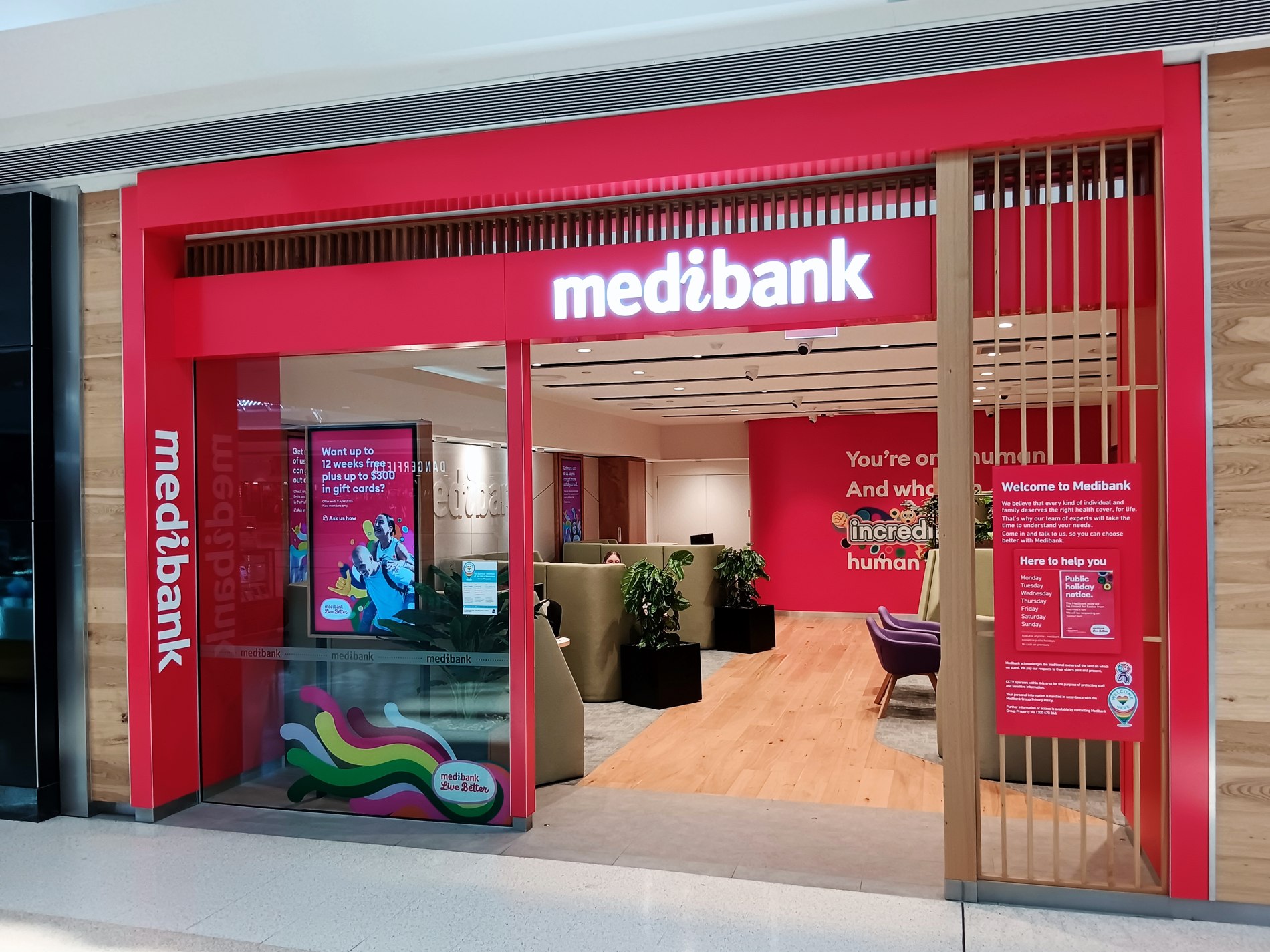
For this project, suitable private health and travel insurance is a required item in your departure checklist. Compare cover from a travel insurer or an appropriate overseas visitor policy, for example from Medibank or Bupa. Check exclusions, regional work, hospital treatment, repatriation and the whole length of your stay.
French visitors do not qualify for Medicare simply because they hold a WHV. France has no reciprocal health care agreement with Australia. Check your individual eligibility. Insurance is legally required if condition 8501 appears on your visa; it is not automatically a universal condition of every subclass 417 grant.
Budget table · classroom planning estimates
Item
Amount in AUD
What to check
First 417 visa
About AUD 650 to 850; check the current fee on the official Home Affairs site
Confirm the live Home Affairs price before applying.
One-way flight
900 to 1,500
Illustrative estimate, not a current fare.
Available initial savings
Usually about 5,000
Plus funds for your outward journey. Not a visa fee.
Private insurance per month
Obtain an individual quotation
Cover, exclusions and work activities vary.
First hostel nights, food and transport
Research your own amount
Keep an emergency reserve.
Your task
Estimate a visa and flight subtotal using the budget range and a flight costing AUD 1,200. Explain why savings are not a visa charge. List three costs still missing from your plan.
Check your answers
Planning subtotal: about AUD 1,850 to 2,050. Confirm the actual visa fee before using your budget. The AUD 5,000 is available money for living costs, not a payment to Home Affairs. Possible extra costs: insurance, hostel accommodation, food, onward travel, transport and document costs.
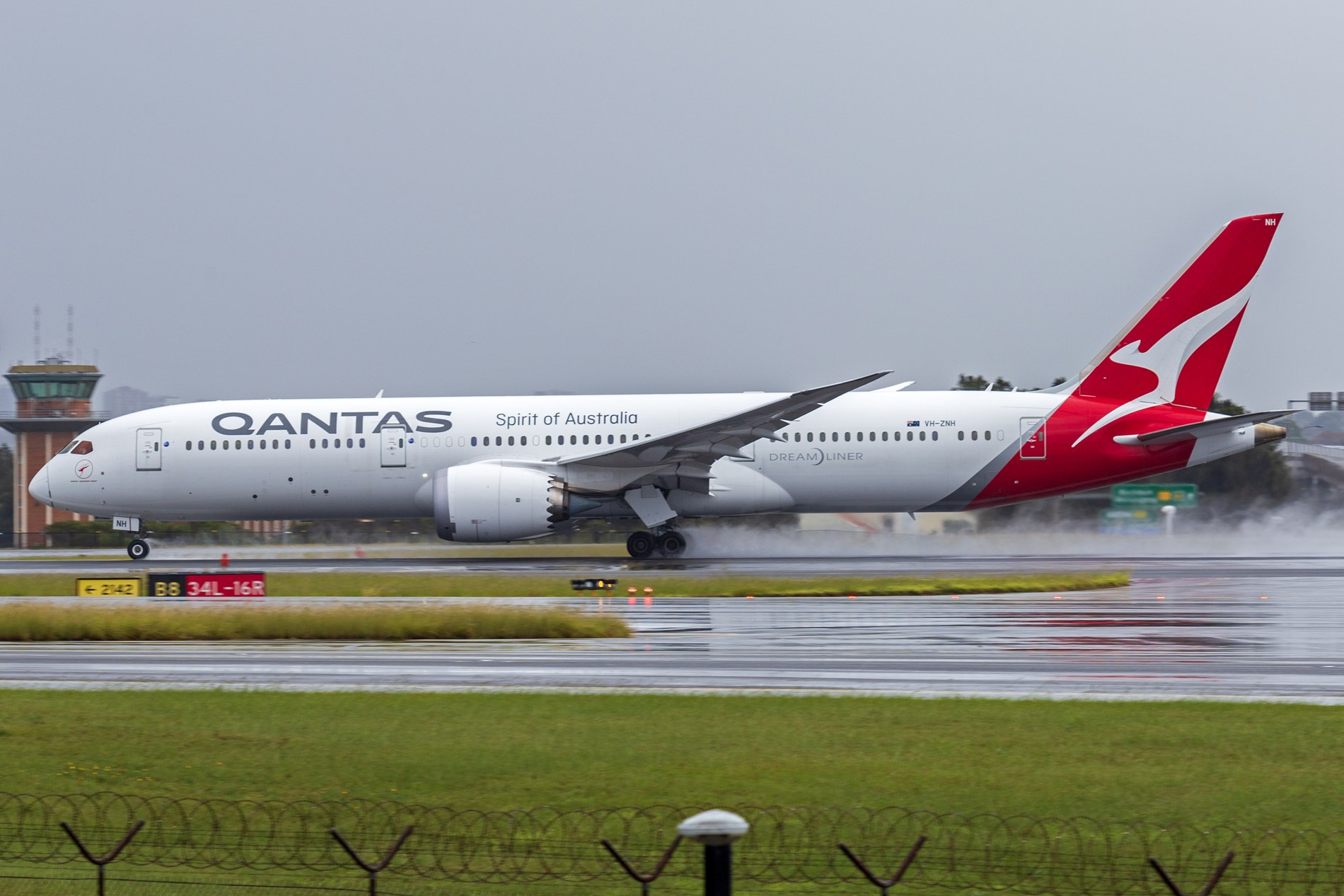
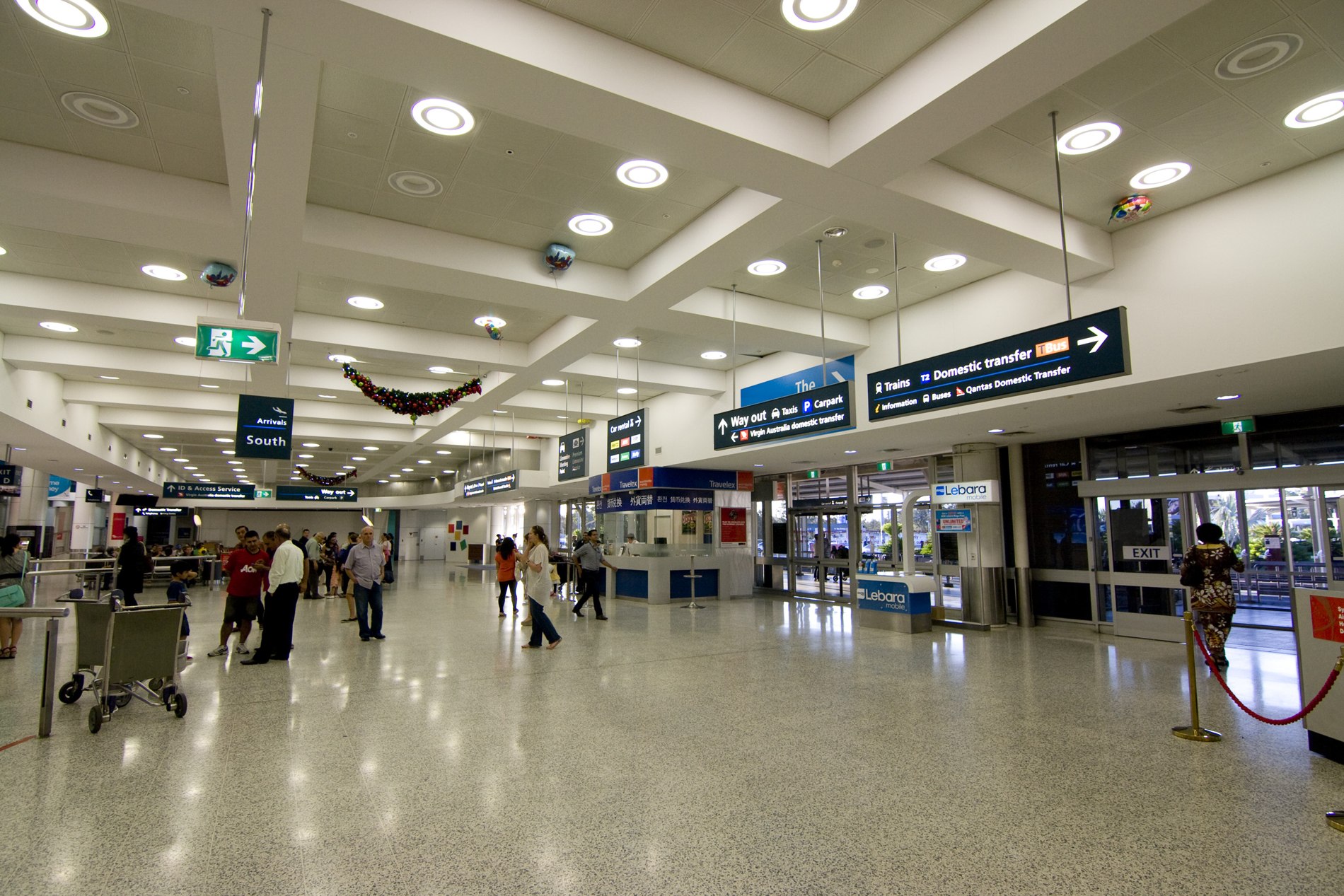
Follow airport signs. Keep your passport and visa grant information available. Read the arrival and biosecurity instructions carefully. Declare items when required; if unsure, ask an officer.
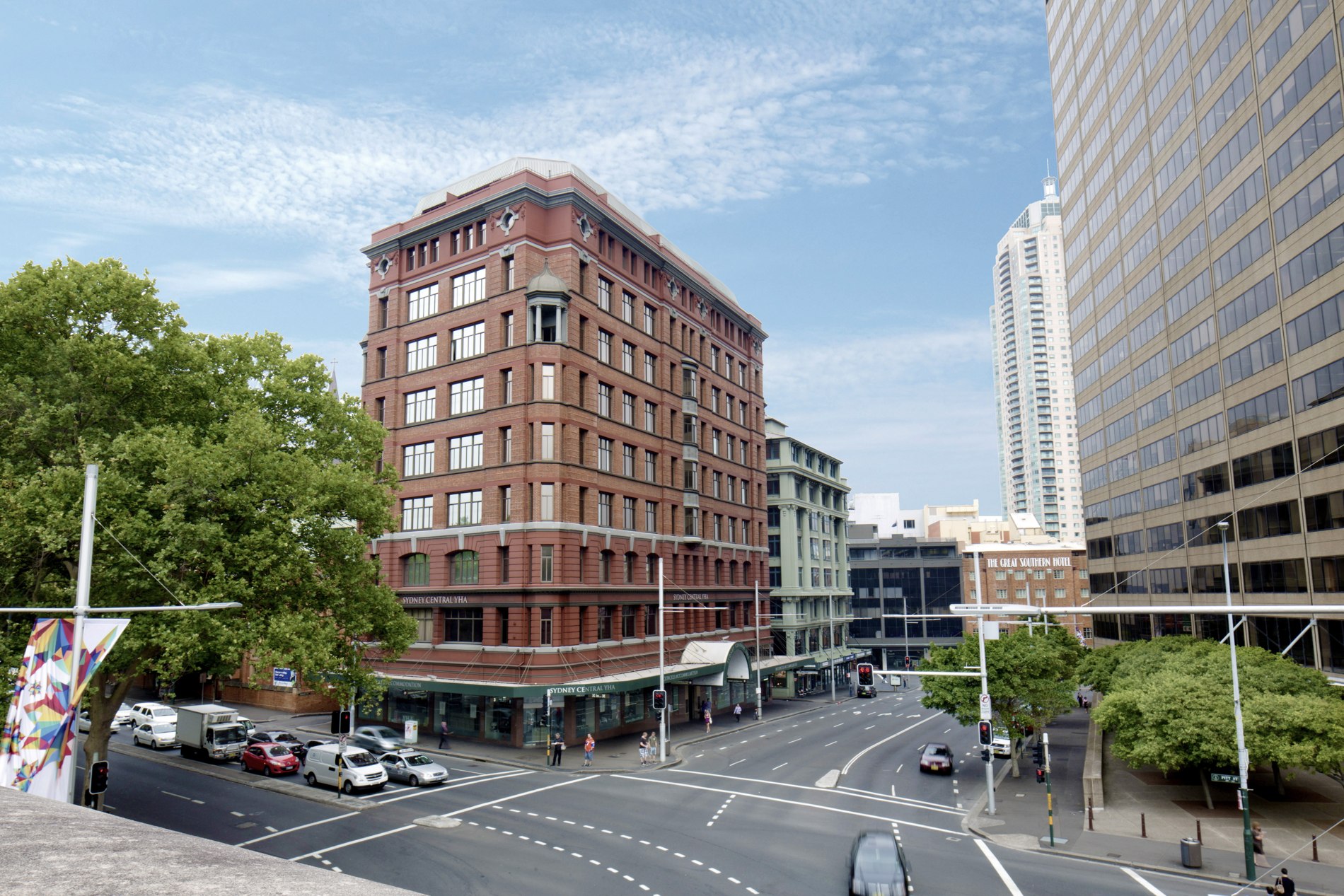
Book a short initial stay, for example one or two weeks. Check reception hours, storage, transport links and the total price. A hostel can give you time to look for longer-term accommodation.
Your Big Four checklist
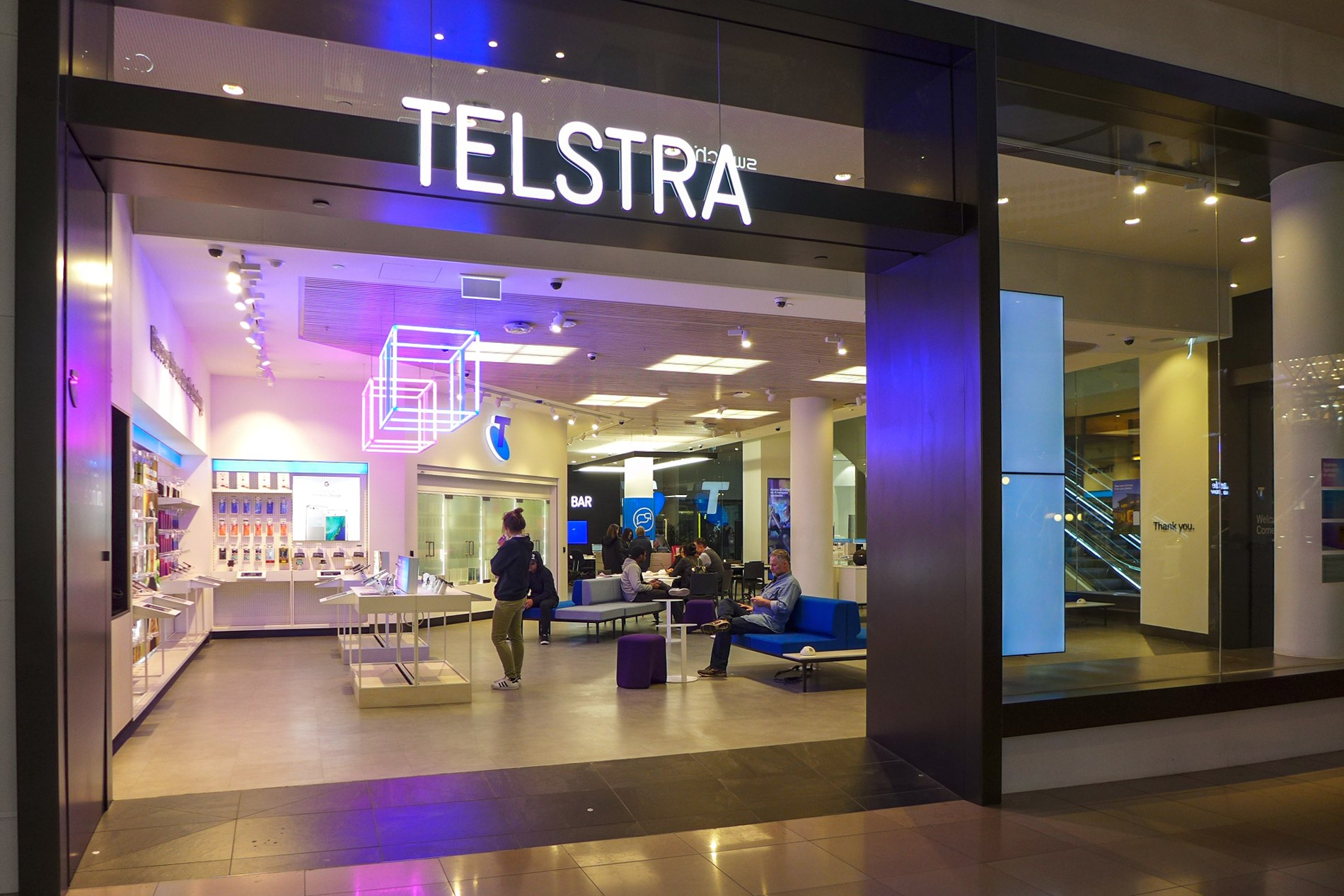
A local SIM or eSIM. Compare coverage for your actual destinations, data, identification requirements and price.
An everyday bank account. Ask about identity checks, account fees and access to your money.
A Tax File Number. Apply through the ATO once you are in Australia and have a visa with work rights.
Private insurance. Check that your cover has started and save your policy and emergency contact details.
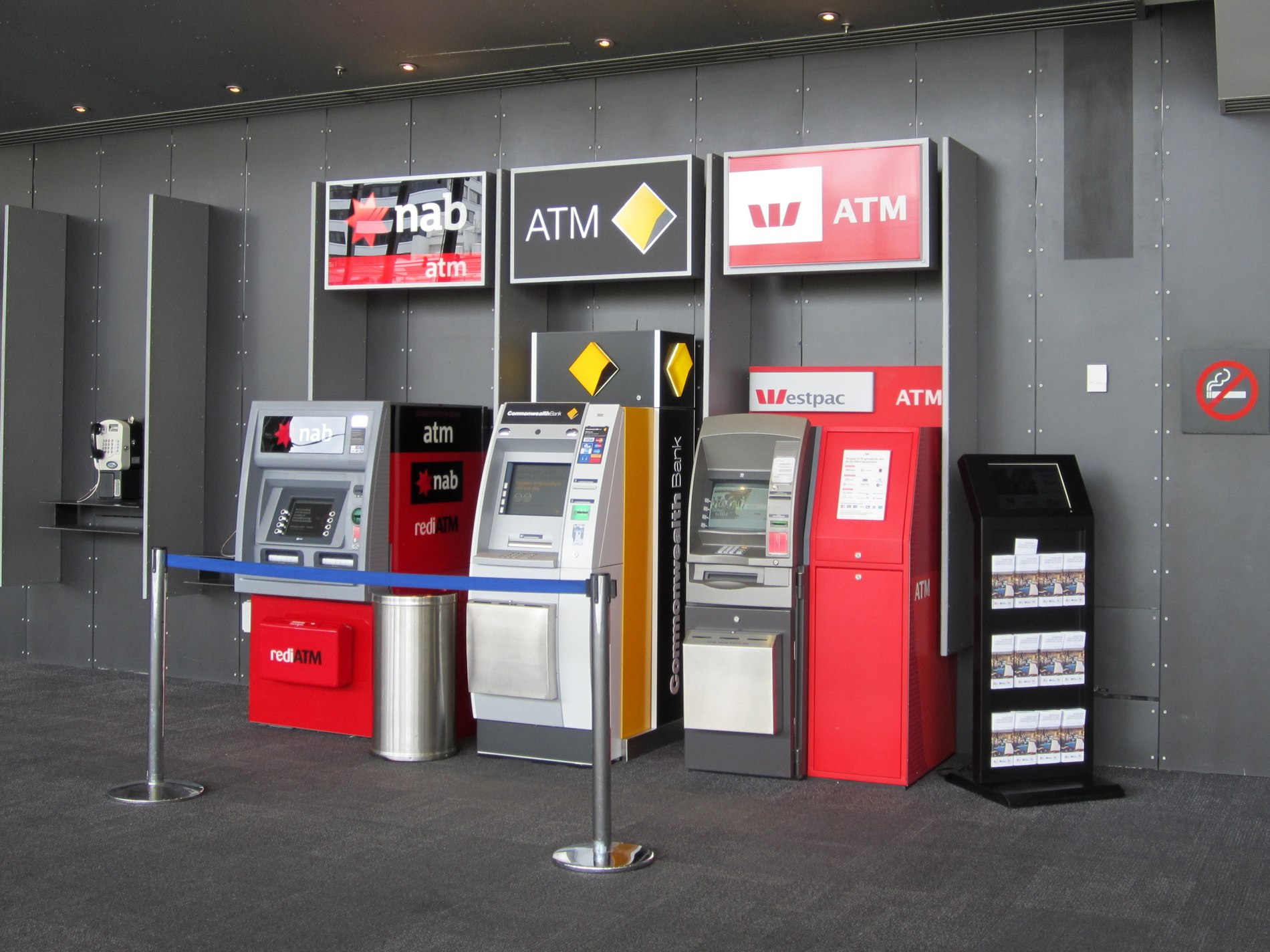
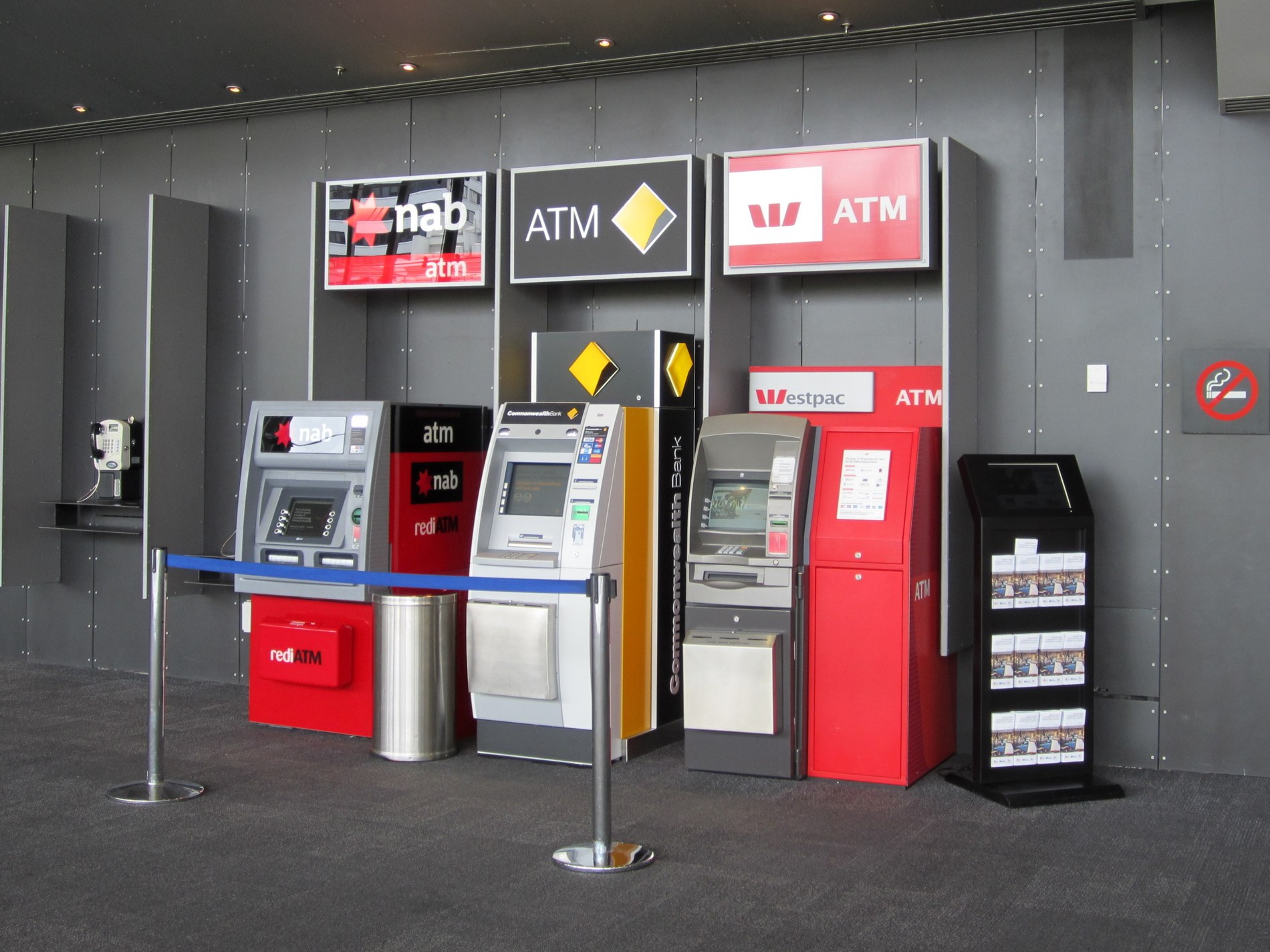
Commonwealth Bank, ANZ and Westpac are examples, not recommendations. Check the bank’s current identification requirements. The photo shows real cash machines, not a bank statement or evidence of anyone’s balance.
Apply for your TFN
The ATO application is available at no cost. Use the official page rather than a paid intermediary. You must already be in Australia for the online temporary-visitor application. Keep the application receipt securely.
If you have applied, tell your employer: the ATO normally allows 28 days to provide your TFN. A 45% withholding rate can apply if you do not provide it and no relevant exception applies. Do not put a TFN on a public resume or send it to an unverified recruiter.
Your task
Put the Big Four in your own checklist. Write one question to ask a bank and one question to ask a mobile provider.
Check your answers
SIM or eSIM, bank account, TFN and private insurance. Examples: “What account fees will I pay?” and “Does this plan cover the places where I will work?”
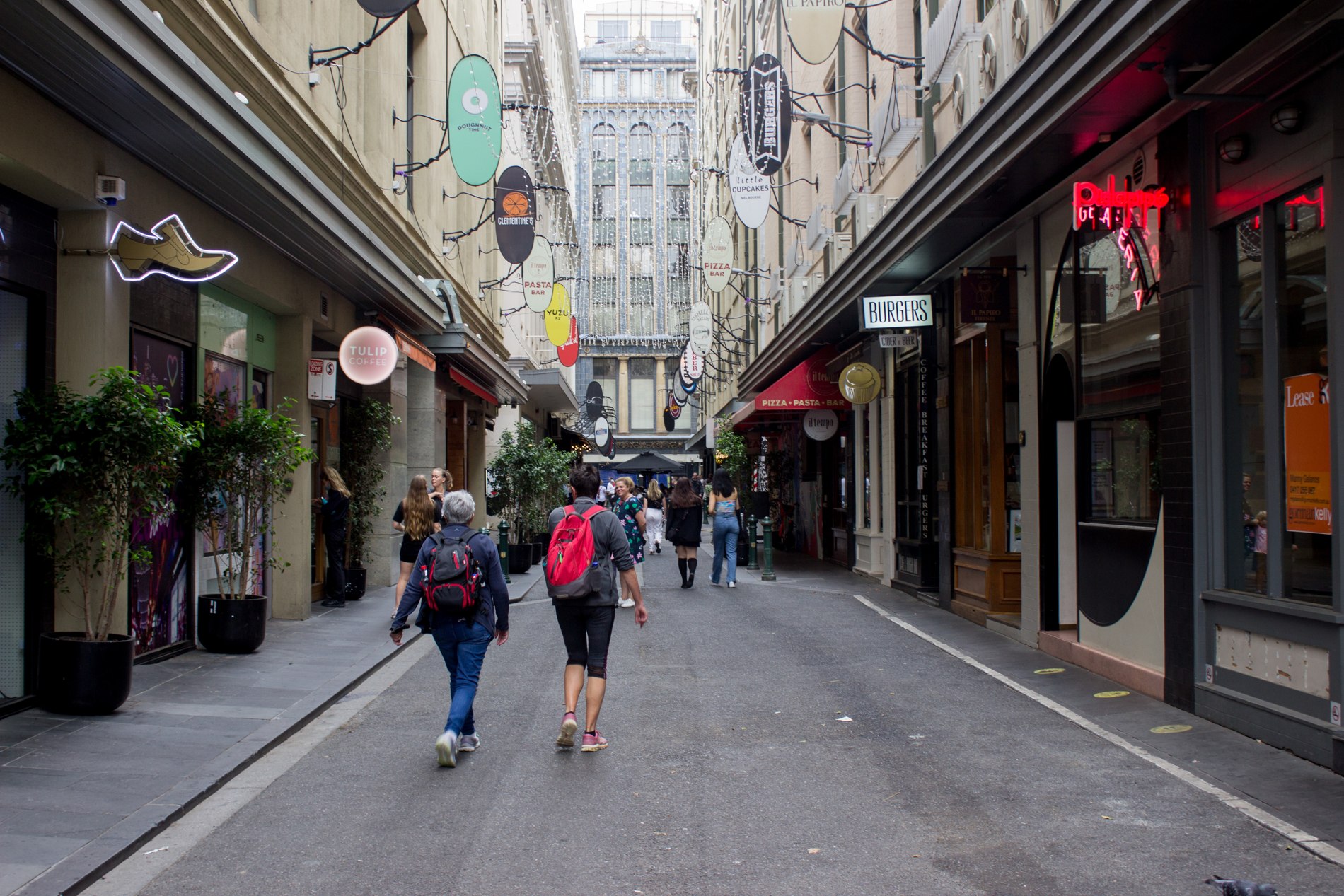
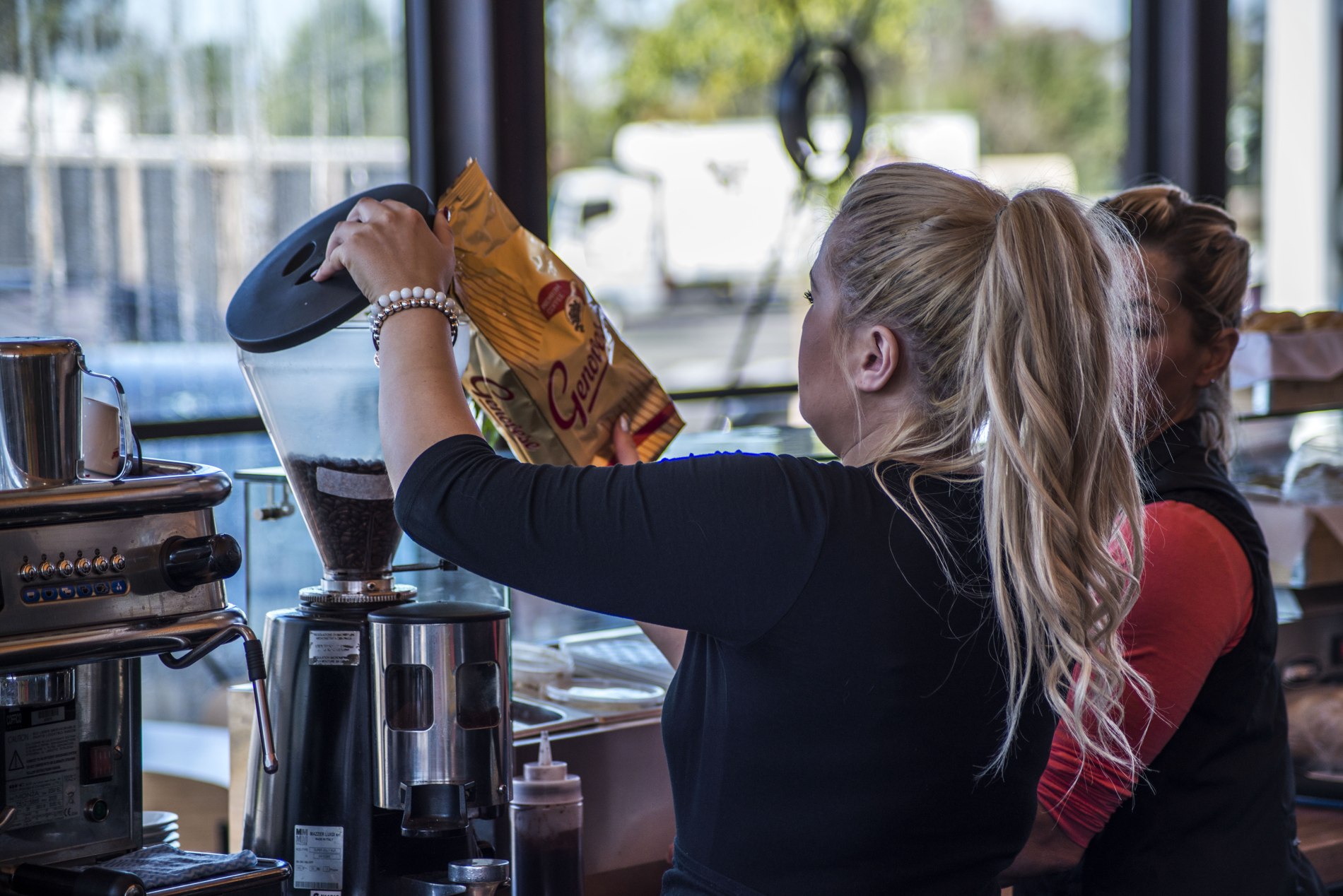
You may take orders, prepare coffee, use the till, clear tables and work with a team. Explain the experience you actually have. Ask about training, shifts, pay, breaks and the applicable award. A barista at South Morang is pictured separately from the central Melbourne laneway.
Check the Responsible Service of Alcohol requirements in the state where you will work. A Victorian RSA may be needed for a role involving alcohol service. Do not assume that one certificate is accepted in every state or that every café role requires it.
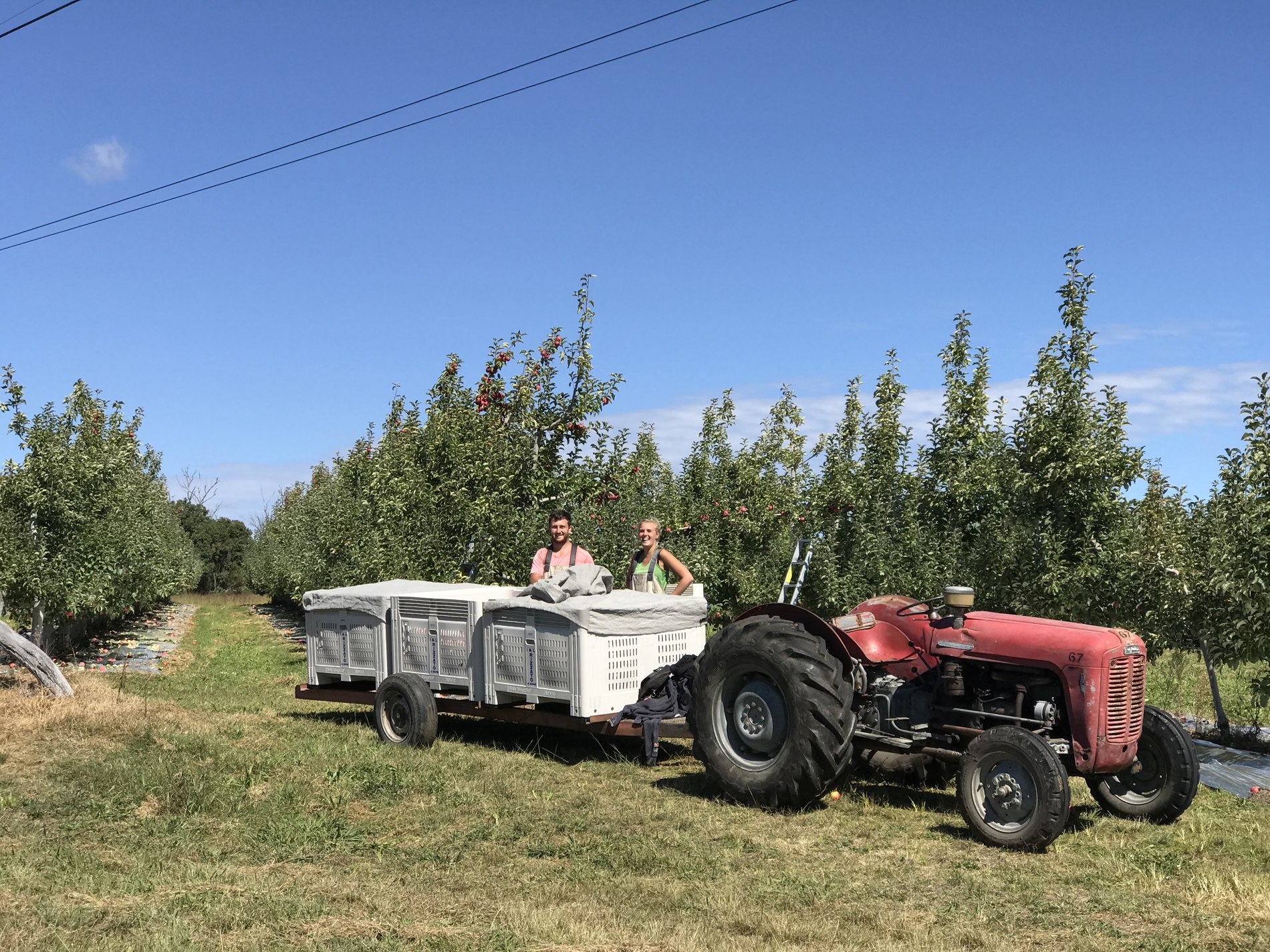
Bundaberg, Mildura and Shepparton are places to investigate for agricultural work. The photographs show Fleurbaix in Queensland, not those three locations.
For a French passport holder, a second subclass 417 visa normally requires three months of eligible specified work, counted under Home Affairs rules as at least 88 calendar days of full-time-equivalent work. A third visa normally requires six months during the second visa. These are different requirements. Not every farm job, location or day automatically qualifies. Keep payslips and records, and check the eligible industry, postcode and counting rules before accepting work.
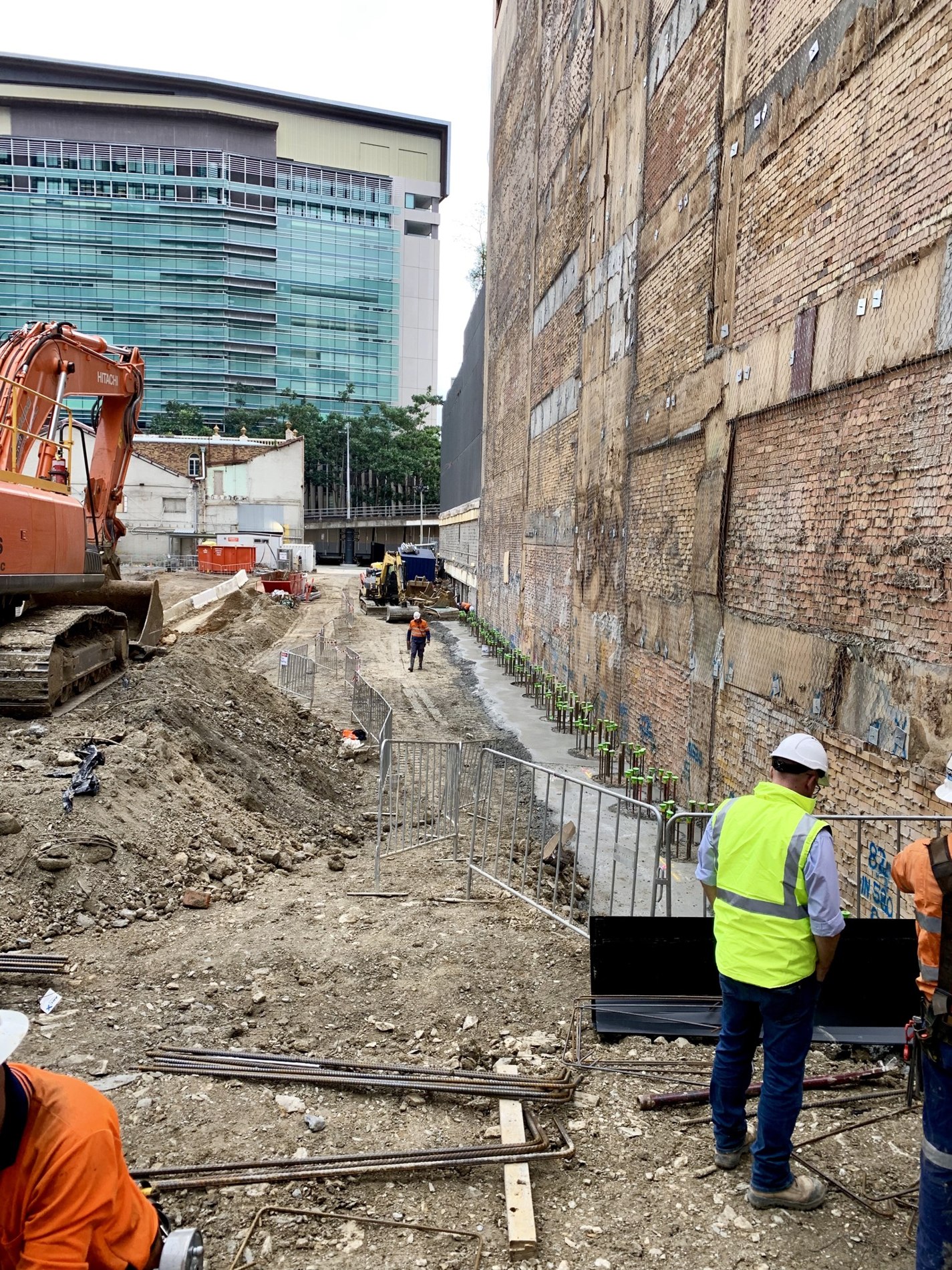
General construction induction training and a White Card are required for construction work. Check the recognised training and state rules. Wear the required protective equipment. Ask about site induction and safe working practices; do not trade safety for a higher wage.
Pay and tax
From the first full pay period starting on or after 1 July 2026, the National Minimum Wage is AUD 26.44 per hour, or AUD 33.05 for a casual employee including the 25% casual loading, where the adult National Minimum Wage applies. Awards, agreements, age and classifications can change the applicable rate. Weekend penalties are not a single universal percentage: use Fair Work’s pay tools.
For WHM withholding, a registered employer generally withholds 15% on the first AUD 45,000. Higher rates apply above that amount. Tax residency and treaty rules can affect the final assessment, including for French citizens. Do not treat a withholding rate as a guarantee of your final tax bill.
Your task
Before accepting an offer, prepare five questions about pay, shifts, safety, accommodation and specified-work eligibility.
Check your answers
Examples: “Which award and classification apply?” “What is my casual hourly rate?” “What are the weekend rates?” “Are accommodation deductions explained in writing?” “Does this postcode and role count as specified work?”
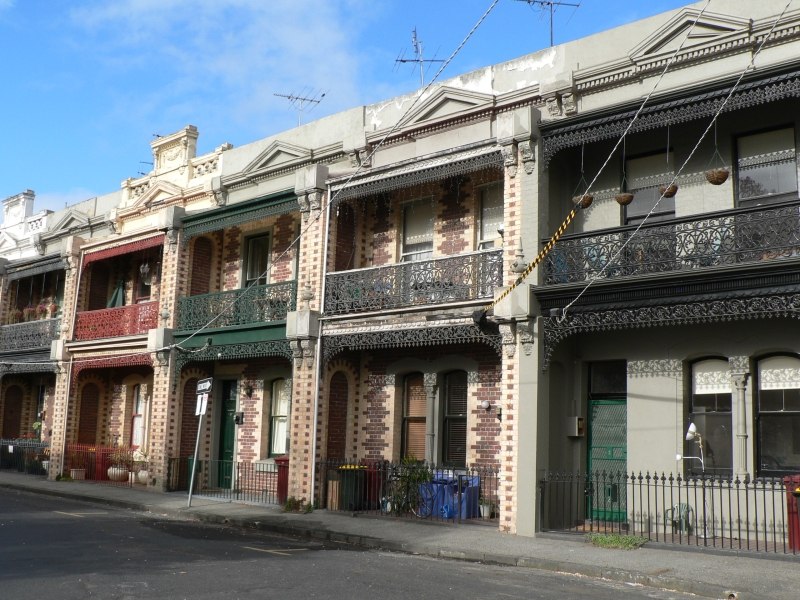
Compare flatsharing options and inspect accommodation before paying. The photograph shows a residential street in South Melbourne; it does not prove that these homes are shared rentals. Check the agreement, bond, bills, house rules and identity of the person offering the room.
Understand weekly rent
Advertisements may quote rent per week. For this classroom example only, a room costs AUD 300 per week: four weeks cost AUD 1,200, but a calendar month is not always four weeks. Ask whether utilities are included and what payment schedule the agreement requires. This is a calculation exercise, not a current rental listing.
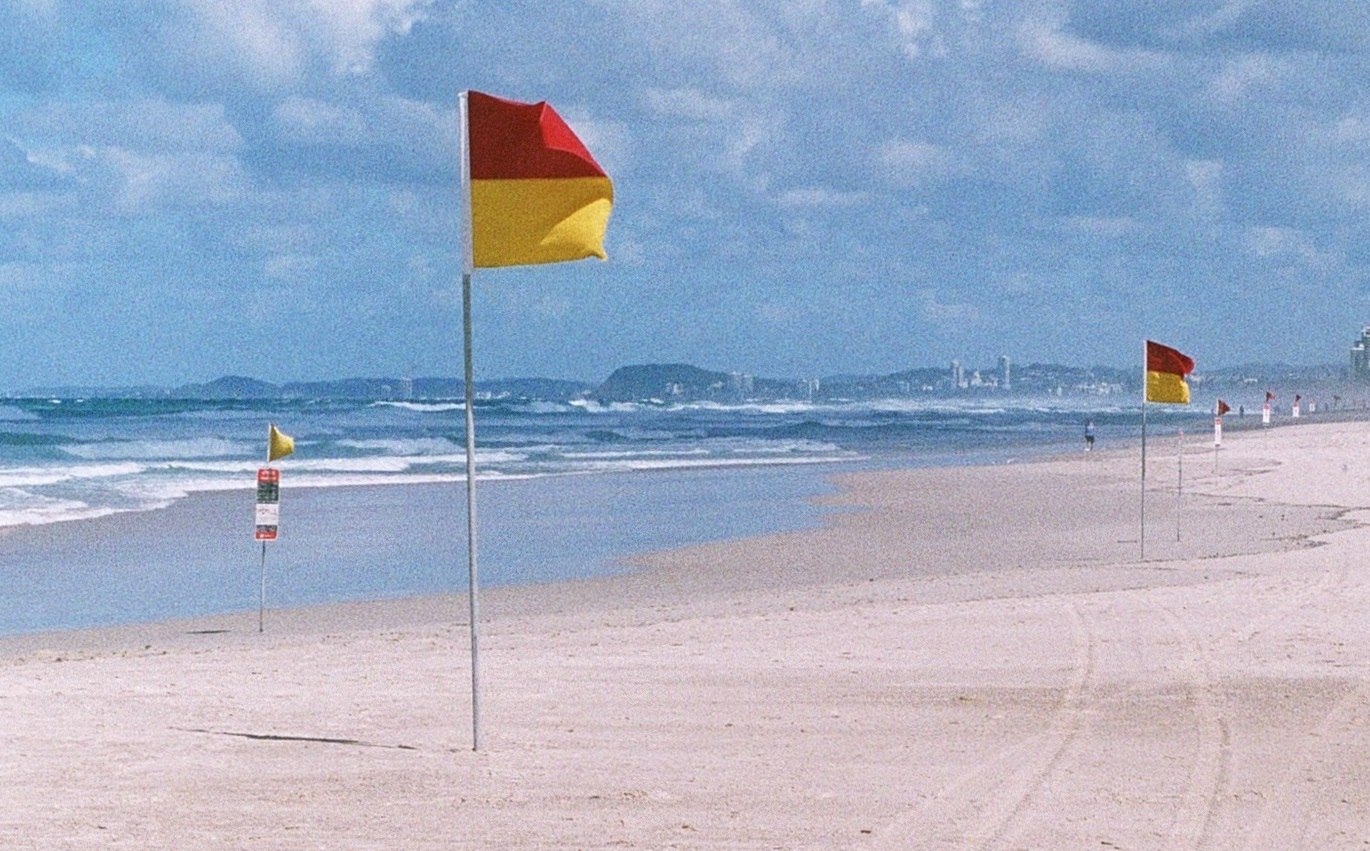
At a patrolled beach, swim between the red and yellow flags. Follow lifeguard instructions, check local warnings and protect yourself from the sun. Conditions differ between locations.
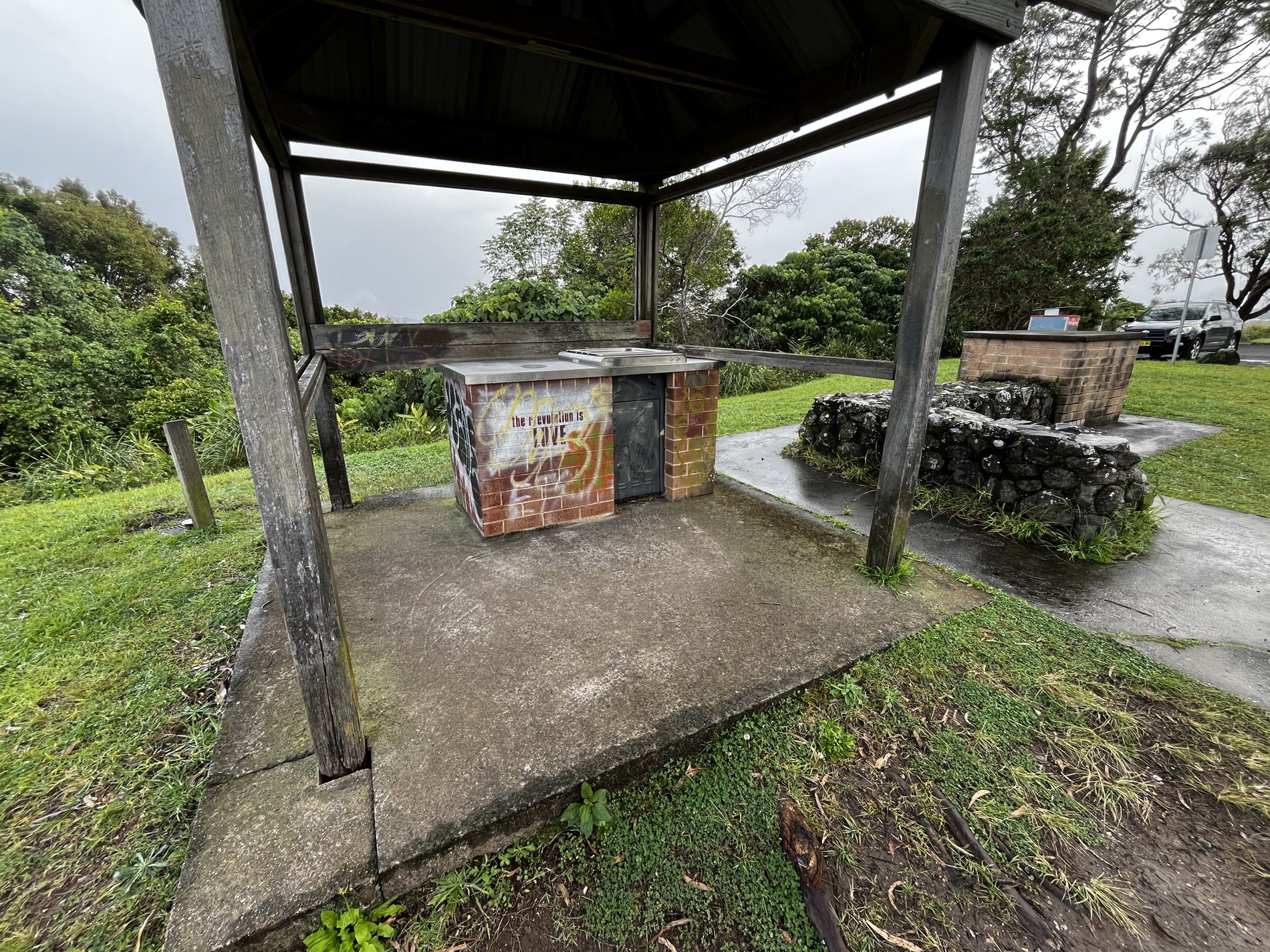
“Barbie” means barbecue; “mates” means friends. Public facilities may be available in parks. Check local rules, fire restrictions and booking information. Bring food to share if invited, clean the area and respect other users.
Dos
Greet people politely: “How’s it going?”
Listen and use local expressions naturally.
Respect wildlife and local guidance.
Ask when you do not understand.
Keep agreements about shared chores.
Don’ts
Do not assume everyone wants to be called “mate”.
Do not pressure people to discuss personal finances or politics.
Do not assume a tip is compulsory.
Do not pay a rental deposit to an unverified person.
Do not swim outside the patrolled area against advice.
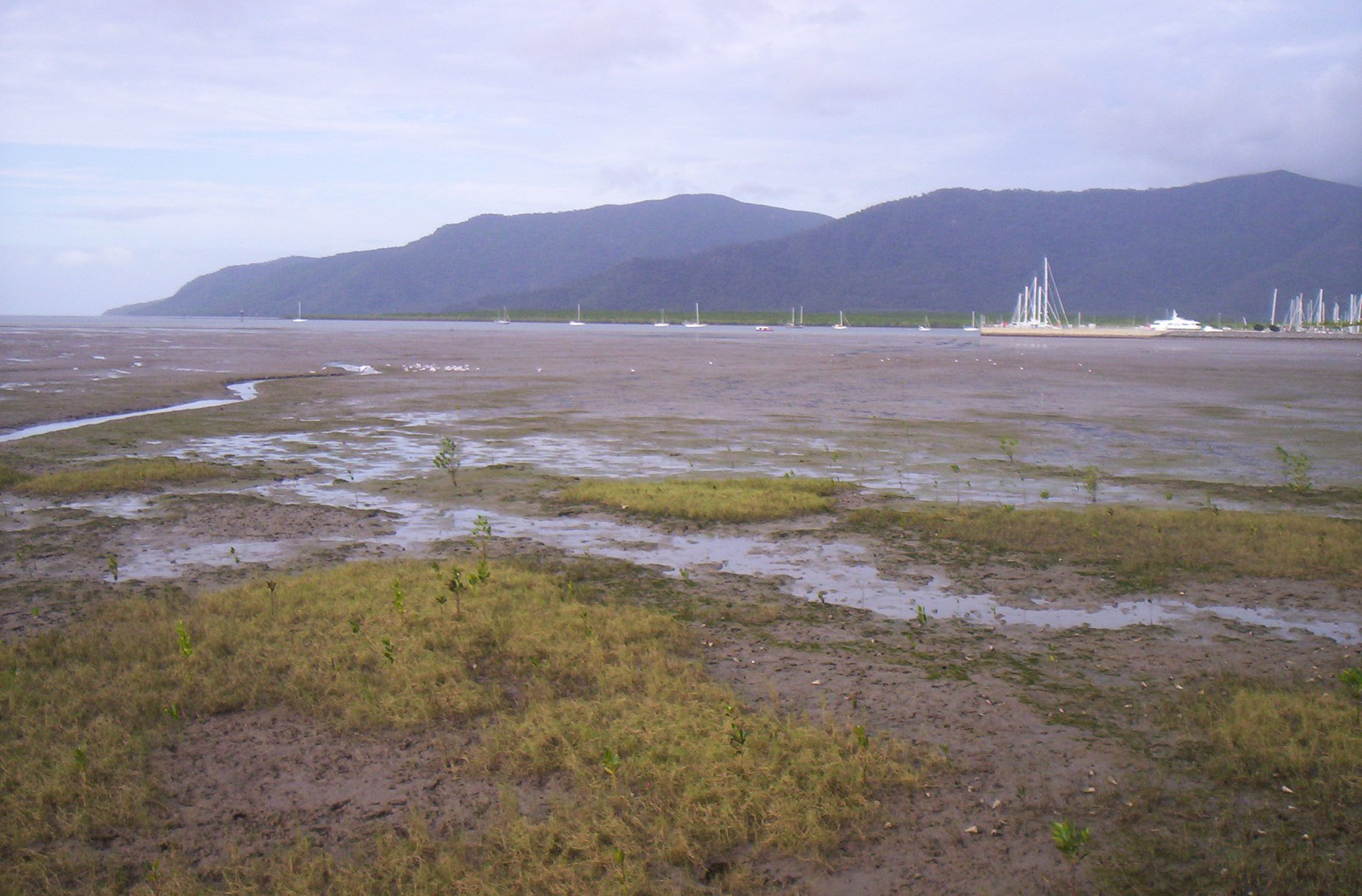
Look at Trinity Bay from the Esplanade. Check local swimming advice, marine hazards and seasonal conditions. Do not assume every beach is suitable for swimming.
Your task
Calculate four weeks of rent at AUD 300 per week. Write three house rules and two beach-safety rules.
Check your answers
AUD 1,200 for four weeks. Possible rules: clean shared areas, discuss guests, respect quiet hours; swim between the flags and follow lifeguard instructions.
Oral practice · Landing in Sydney
This is a classroom dialogue, not an official airport announcement. Listen for the situation, documents and actions. Australian accents vary: aim for clear, respectful speech, not imitation.
Audio uses a voice installed on your device. An Australian English voice is preferred when available.
Airport officer: G’day! Welcome to Australia. May I see your passport and visa grant information, please? Thank you. Please read the arrival instructions and declare any food, plant material or animal products as required. If you are unsure about an item, ask an officer before leaving the controlled area. Enjoy your stay!
A little later, at the bus stop.
Local: Hi! How’s it going? Are you waiting for the bus to the CBD? It’s running a little late this arvo. You could get a flat white at the café while you wait.
Traveller: Thanks! Does this bus stop near Central Station?
Local: Yes. Check the route number on the sign. No worries!
Which documents does the officer ask for?
What should you do if you are unsure about an item?
What does CBD mean?
What does “arvo” mean?
Check your answers
Passport and visa grant information; ask an officer; central business district; afternoon.
Roleplay · A job interview
Work in pairs. Prepare notes, not a complete script. Speak for about three minutes, then swap roles.
Student A · The employer
You manage a Melbourne café. Ask about experience, visa conditions, availability and the relevant RSA if the role involves serving alcohol. Explain shifts and pay. Use up to three suitable expressions naturally: “arvo”, “no worries”, “cheers”. Do not force slang into every sentence.
Student B · The applicant
You are a French traveller. Explain your experience and weekly budget. Ask about the hourly rate, weekend penalties, training and hours. Be honest about your qualifications. Ask the employer to repeat or explain information when necessary.
Useful language
“I have experience in…” “I am available from…” “Could you explain the weekend rate?” “Which award applies?” “Could you repeat that, please?” “Thank you for your time.”
An Australian resume
This model is entirely fictional. Replace the experience and skills with your own accurate information. Do not include a passport number, TFN, date of birth or photograph.
Visa status: Working Holiday visa, subclass 417. Availability: early mornings and weekend shifts, subject to visa conditions.
Professional summary
Reliable French applicant with customer-service and café experience. Comfortable working in a team and learning new routines. Looking for a casual café role.
Relevant certification
Victorian RSA: include only if actually completed and valid for the role. This fictional example does not claim a real certificate.
Work experience
Café assistant · Example Café, France · 2024 to 2026
Prepared coffee drinks and served customers.
Used the till and checked orders.
Kept the service area clean during busy shifts.
Skills and languages
Teamwork, customer service, time management. French: fluent. English: B1, able to handle familiar workplace situations and ask for clarification.
References
Available on request, with the referees’ permission.
Your task
Write your own one-page resume. Add one example showing teamwork. Write a short application message with a greeting, the role you want, relevant experience and availability.
Assessment
Classroom assessments aligned with the sequence objectives; these are not official examination papers.
Evaluation 1 · Reading a job advert · 10 points
Classroom job advert · fictional employer and conditions for the exercise. This is not a real vacancy or a universal wage schedule.
The Daily Grind Café · Casual café all-rounder / barista
Location: Flinders Lane, Melbourne CBD.
Pay for this calculation exercise: AUD 36 per hour on a weekday and AUD 48 per hour on Sunday, before tax. Actual lawful rates must be checked against the applicable award and classification.
The role: Join our team for busy brekkie shifts. Take orders, make flat whites and manage the till. We also need help this arvo.
Requirements: Valid work rights, suitable availability and a current Victorian RSA for shifts involving alcohol service. Early shifts start at 6 am. Bring your resume, not private tax or passport details.
Apply: Ask for the manager, Jake, in person between 2 pm and 4 pm.
Give the street or area and city. (1 point)
State the weekday and Sunday hourly earnings in this advert. (2 points)
Identify two required administrative conditions or certifications. (2 points)
Find the words for breakfast, this afternoon and cash register. (3 points)
Explain how to apply and whom to ask for. (2 points)
Check your answers
Flinders Lane, Melbourne CBD. (1)
AUD 36 on a weekday; AUD 48 on Sunday. (1 each)
Valid work rights and a relevant Victorian RSA. (1 each)
Brekkie, arvo, till. (1 each)
Apply in person between 2 pm and 4 pm; ask for Jake. (1 for the method and time, 1 for the manager)
Evaluation 2 · Listening and vocabulary · 10 points
Listen to your teacher or use the audio. Complete one word in each gap. One point per correct word.
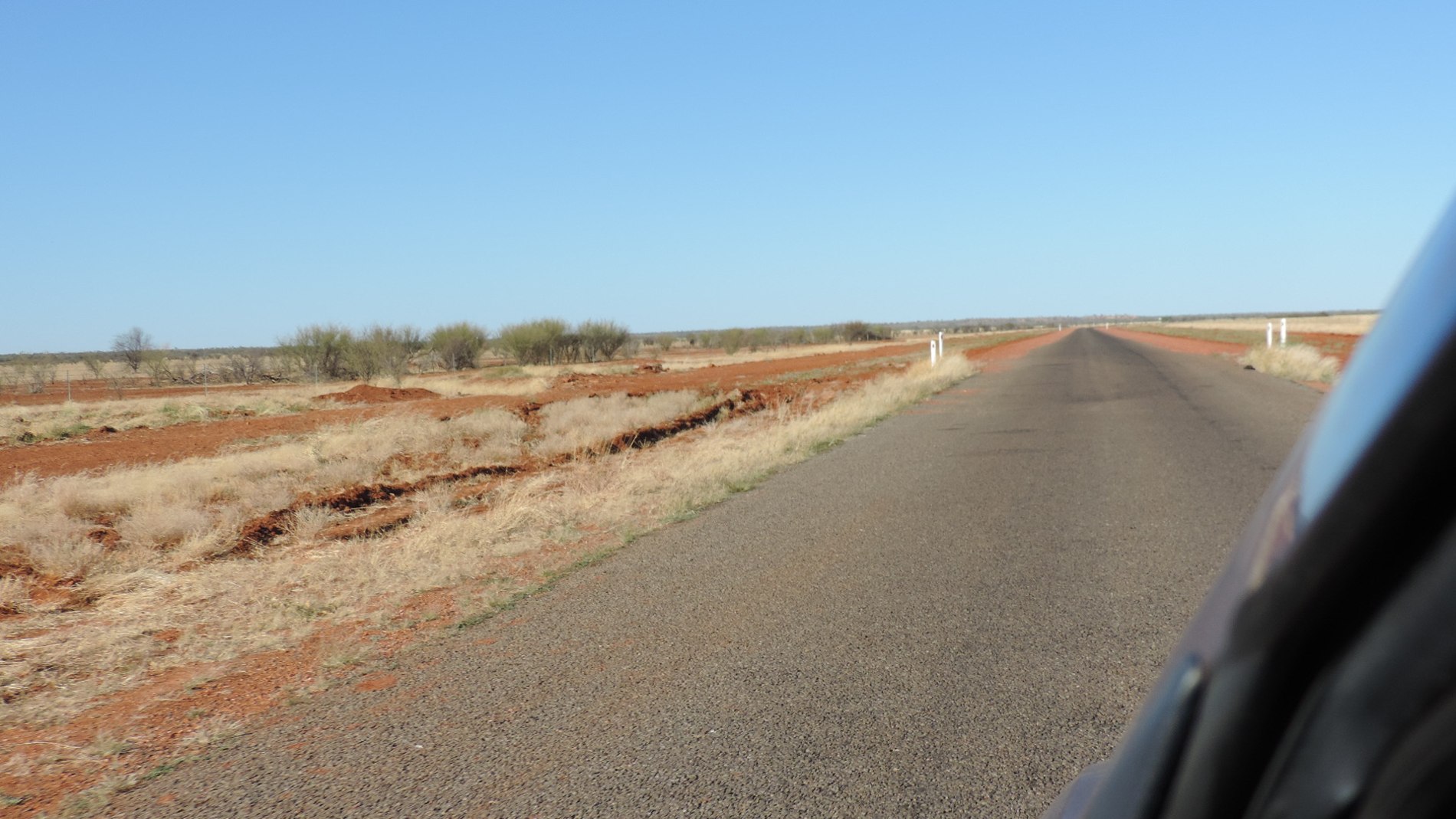
_____ (1) everyone! Welcome to Cairns. First, put on your _____ (2) and some sunscreen. For a familiar quick meal, some people go to _____ (3). You can also organise a _____ (4) with your _____ (5) in a park. Before travelling through the _____ (6), check your route and supplies. For a second working holiday _____ (7), check the specified-work rules: three months, normally at least 88 calendar days of eligible full-time-equivalent work during your first _____ (8). _____ (9) _____ (10): ask for help when you need it!
Teacher script and answers
G’day everyone! Welcome to Cairns. First, put on your sunnies and some sunscreen. For a familiar quick meal, some people go to Macca’s. You can also organise a barbie with your mates in a park. Before travelling through the Outback, check your route and supplies. For a second working holiday visa, check the specified-work rules: three months, normally at least 88 calendar days of eligible full-time-equivalent work during your first year. No worries: ask for help when you need it!
Clear and realistic discussion of experience, work rights, availability, pay and budget.
Main information included, with some missing details.
Very limited information or task not followed.
Workplace vocabulary
Accurate professional vocabulary and suitable everyday expressions.
Understandable vocabulary, with some repetition or errors.
Very limited vocabulary makes the message difficult to follow.
Intelligibility
Clear speech, effective stress and understandable pronunciation.
Mostly understandable, with occasional repetition needed.
Frequent difficulty understanding the message.
Interaction
Responds naturally, asks questions and clarifies meaning.
Maintains the exchange with some pauses or help.
Reads a script or rarely responds to the partner.
Award up to 5 points per criterion. Use intermediate scores where appropriate; zero is possible if there is no assessable evidence. Clarity and interaction matter more than copying an accent.
Recap
Before departure: passport, visa, available funds, flight and private insurance.
First week: temporary accommodation, SIM, bank account, TFN and insurance check.
Work: honest resume, verified work rights, relevant training, lawful pay and safe conditions.
Everyday life: understand rent, respect housemates and follow local safety advice.
Homework
Prepare a budget with your sources and an emergency reserve.
Finish a one-page resume using fictional contact details for the classroom version.
Write six interview questions and rehearse a short introduction.
Find one real job advert. Record its source and date. Do not share private information or apply as part of this exercise.
Self-check
I can explain my travel plan. I can identify the Big Four. I can ask about hourly pay. I can distinguish specified work from any farm job. I can understand a short workplace exchange.
Official information and checks
Research date: 6 November 2026, Europe/Paris. Figures can change. This sequence is a language-learning resource, not individual immigration, tax or insurance advice.
Fair Work Ombudsman: figures checked on 6 November 2026 from the official site. AUD 26.44 hourly National Minimum Wage; AUD 33.05 including casual loading where that adult rate applies. Check the applicable award.
Australian Taxation Office: figures checked on 6 November 2026 from the official site. Registered WHM employer withholding: 15% up to AUD 45,000; TFN and withholding exceptions explained on the page.
Home Affairs current visa pricing: consulted on 6 November 2026. The live pricing table could not be read by the research tool. For classroom budgeting, allow about AUD 650 to 850; check the current fee on the official Home Affairs site. This range is not an official quotation.
Home Affairs first 417 visa: official eligibility page, consulted on 6 November 2026. Dynamic eligibility content was not readable by the research tool. Recheck the usual AUD 5,000 plus onward funds directly before applying.
Home Affairs specified-work conditions: official source consulted on 6 November 2026. Confirm eligible work and the full current counting rules before relying on the three-month or six-month requirements.
Services Australia: France is not on the reciprocal agreement list. A French WHV alone does not grant Medicare eligibility.
Image credits appear below each image. Their original licences remain applicable. Photographs of businesses do not imply endorsement. The classroom advert, dialogue and resume are clearly labelled teaching examples, not authentic administrative documents.